Tesla Narrows Unsupervised FSD Scope to Robotaxi Zones by Mid-2027
The automator clarified that owner vehicles will join its managed fleet in specific cities rather than operating independently across the country.
By Neha Iyer ·
Tesla has set a new deadline for unsupervised driving in customer-owned vehicles, but with a significant geographic limitation.
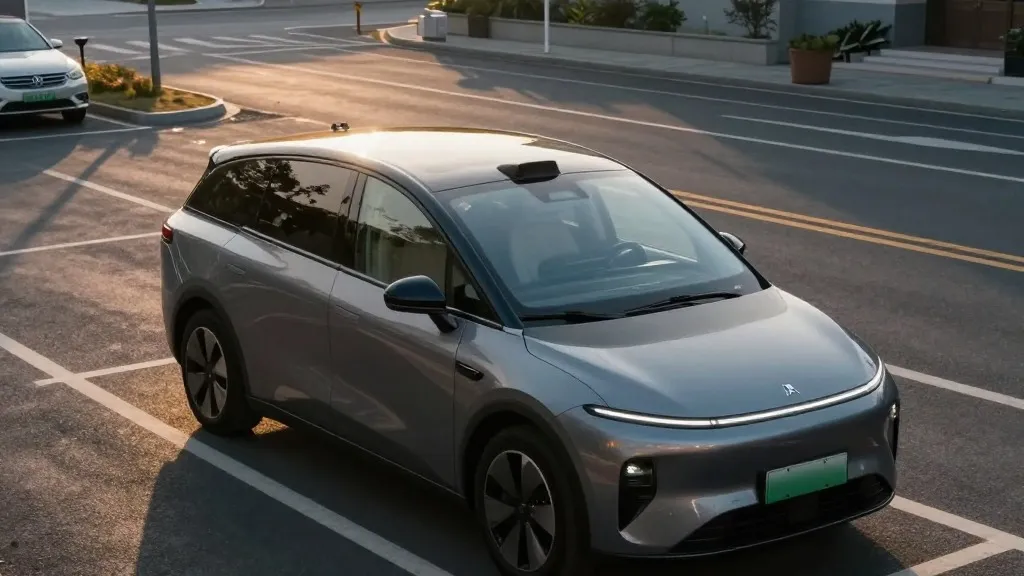
During the Q3 2026 earnings call, AI chief Ashok Elluswamy stated that owners will be able to add their cars to Tesla’s managed Robotaxi fleet in the second quarter of 2027. This answer addressed a top shareholder question backed by approximately 1.1 million shares. The update clarifies that the feature is not a standalone software update allowing drivers to sleep in their Model Ys anywhere, but rather an integration into Tesla’s existing autonomous network.
The practical implications of this timeline are constrained by the current size of Tesla’s Robotaxi operations. The service currently functions in six US metropolitan areas, though the active zones cover only small sections of those cities. For example, the Miami service area primarily includes West Miami and a corridor toward Doral and Sweetwater. Similar limited geofences were launched in Orlando and Tampa in July. Within these boundaries, vehicles operate on low-speed routes and generally avoid highways.
Regulatory hurdles further limit the scope of this rollout. In the Bay Area, Tesla’s service is not fully unsupervised due to California requirements for safety drivers in vehicles operating beyond Level 2 autonomy. Tesla has chosen not to release certain data to the California DMV, a step required for broader autonomous permission. The fleet itself remains small, having reached nearly 2 million cumulative unsupervised miles by the end of Q3, a month after the Cybercab joined the Austin fleet. Third-party trackers reported only dozens of fully driverless Teslas on the road this spring.
This announcement marks a shift from previous marketing promises. Since 2016, the sales pitch has suggested that a software update would eventually enable the car to drive itself anywhere. In July 2025, Elon Musk told investors that unsupervised personal use would be available in certain geographies by the end of that year. He had also expressed surprise if unsupervised self-driving was not achieved the following year. Now, the target is Q2 2027, and the product is narrower: the car joins Tesla’s fleet, operates in Tesla’s zones, and runs on Tesla’s terms. Owners with older hardware have already been informed their computers cannot run the unsupervised system without a clear upgrade path.
Elluswamy identified safety as the primary bottleneck, explaining why Tesla restricts operations to lower-speed environments. He suggested these safety issues might be resolved by next year, though he acknowledged uncertainty. For prospective buyers, the reality is that unsupervised commuting is only viable if one lives and works within a specific Robotaxi zone, excluding long-distance highway travel or cross-town trips.
The next step for Tesla involves expanding these geofences and refining safety metrics to support broader deployment. Shareholders will likely watch for updates on fleet size and regulatory approvals in upcoming quarters to gauge if the Q2 2027 target remains realistic.
Source: Electrek