Data center expansion risks air pollution and economic strain in Israel
A senior environmental official warns that proposed rules for connecting data centers to the grid could significantly increase emissions and premature deaths by 2035.
By Luca Fernandez ·
A senior official within the Environmental Protection Ministry has issued a warning regarding proposals by the Electricity Authority to connect data centers to the national grid on a large scale. The official stated that these plans could divert approximately one fifth of the country's electricity supply by 2035. This shift would likely lead to increased emissions of specific air pollutants, which could result in a higher number of pollution-related deaths.
The concerns were detailed in a letter sent on Thursday to Amir Shavit, the chairman of the Electricity Authority. Shuli Nezer, the ministry's senior deputy director general for environmental licensing and risk prevention, signed the document. She argued that the current proposal, which is open for public comment, risks locking in negative long-term environmental and economic consequences if it proceeds without modification.
Data centers are facilities that house powerful computers responsible for storing and processing information. They support digital services including websites, email systems, and artificial intelligence platforms. The global pushback against the rapid growth of these facilities is partly driven by the expansion of AI. Critics highlight the massive demand for electricity, water for cooling, and land. They also worry that infrastructure costs will ultimately be passed on to consumers. Cities such as New York have imposed moratoriums on new large facilities, while Amsterdam has barred new centers and expansions until at least 2030.
In her letter, Nezer acknowledged the economic benefits of establishing data centers in Israel. However, she expressed concern over the missing measures to minimize impacts on human health and the environment. She described the situation as a national challenge where the ministries are partners, but noted the need for better mitigation strategies.
The Electricity Authority's proposal aims to limit the new grid capacity allocated to large data centers. It would require developers to provide substantial financial guarantees, approved plans, and evidence of customers before securing connections. The deadline for submitting comments on this regulation is December 1, 2026.
Nezer highlighted that increased emissions of pollutants, such as nitrogen oxides which affect respiration, would add to the existing burden of air pollution. Currently, air pollution causes approximately 5,500 premature deaths per year in the country. She cautioned that the increase in deaths, illness, and lost workdays could result in economic damage of roughly 2 billion shekels, or about 620 million dollars, annually from additional electricity generation. Another 1 billion shekels in annual economic damage could come from operating backup generators.
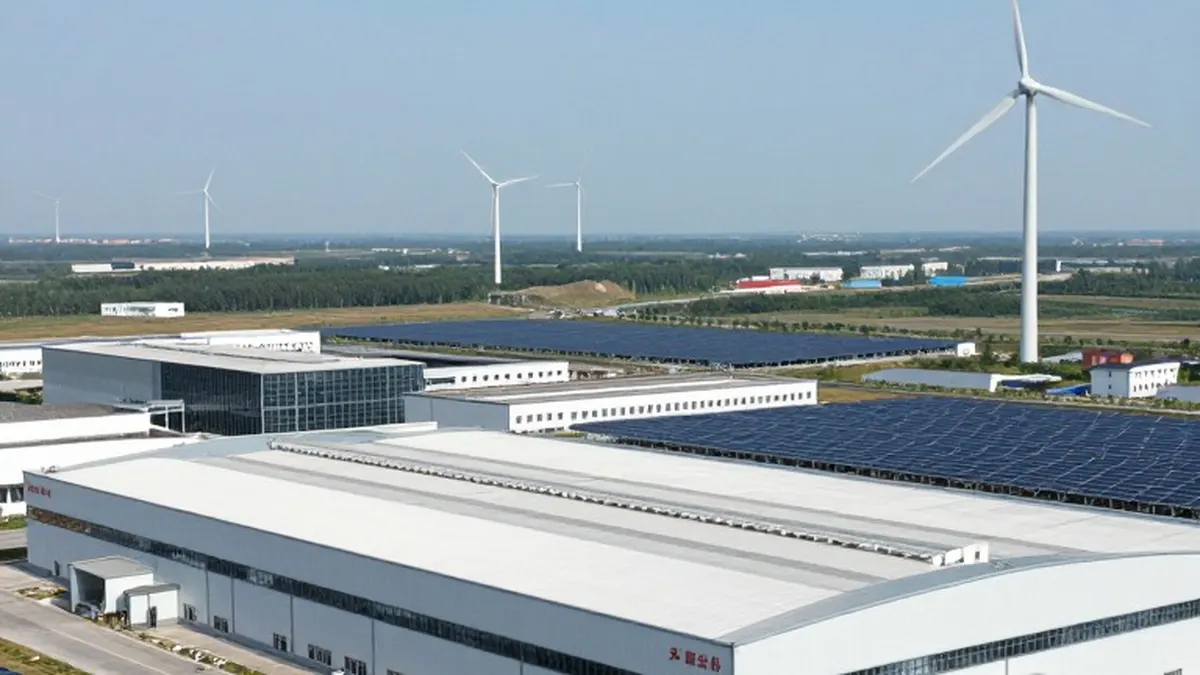
The official also noted that higher greenhouse gas emissions would make it more difficult for Israel to meet its international commitments. To offset the additional emissions from data centers, she calculated that a target of around 45 percent renewable energy would be required by 2035. This is approximately 10 percent higher than the target recommended by the Electricity Authority.
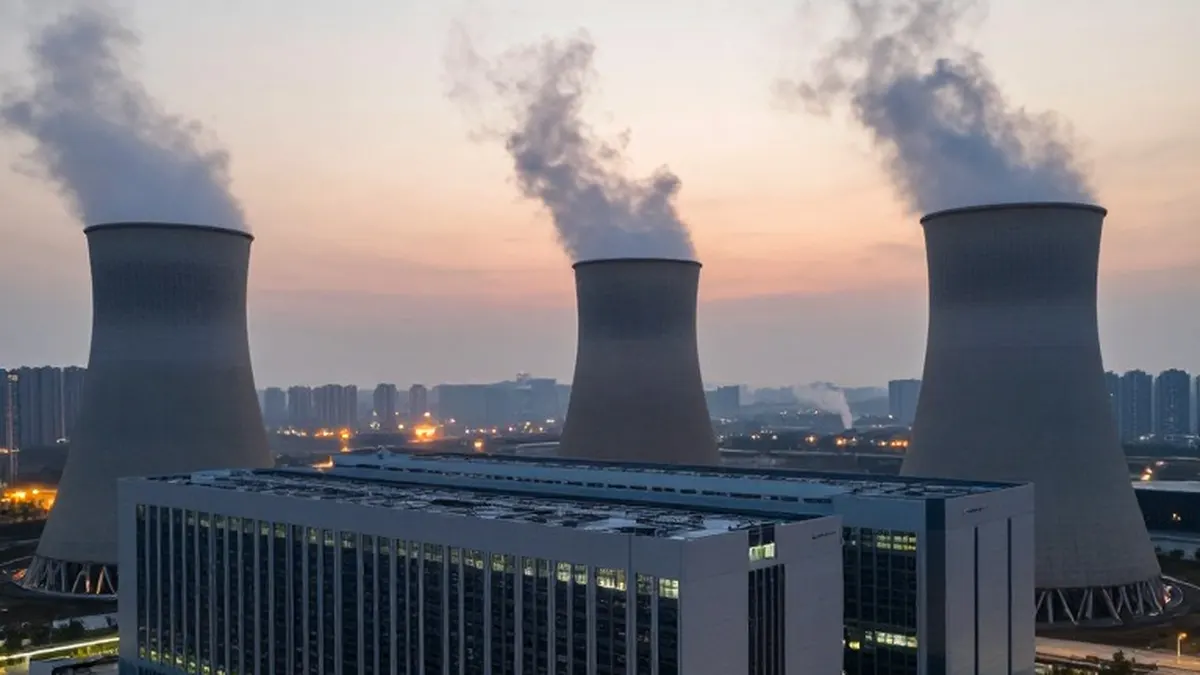
Furthermore, the proposals could bring forward the end of the country's domestic fossil fuel gas reserves by two to three years. This would mean the reserves would be depleted within the next 17 to 18 years. Nezer warned of an increased reliance on polluting fuels, including older coal units and generators located near urban areas.
Tomer Gertel from the environmental NGO Green Course commented on the situation. He suggested that an inter-ministerial committee should be established to examine the policy for building data centers from a comprehensive perspective. This committee should consider the needs of the electricity sector, national security, public health, and environmental protection. He emphasized that true technological progress should improve the lives of citizens rather than endanger them.