
Likud Challenges Yashar Candidate in Bid to Control Knesset Speaker Vote
Prime Minister Netanyahu's party fields MK Ofir Katz to counter Matan Kahana, with Shas backing the move to secure parliamentary leadership for the new Knesset.
By Luca Fernandez ·
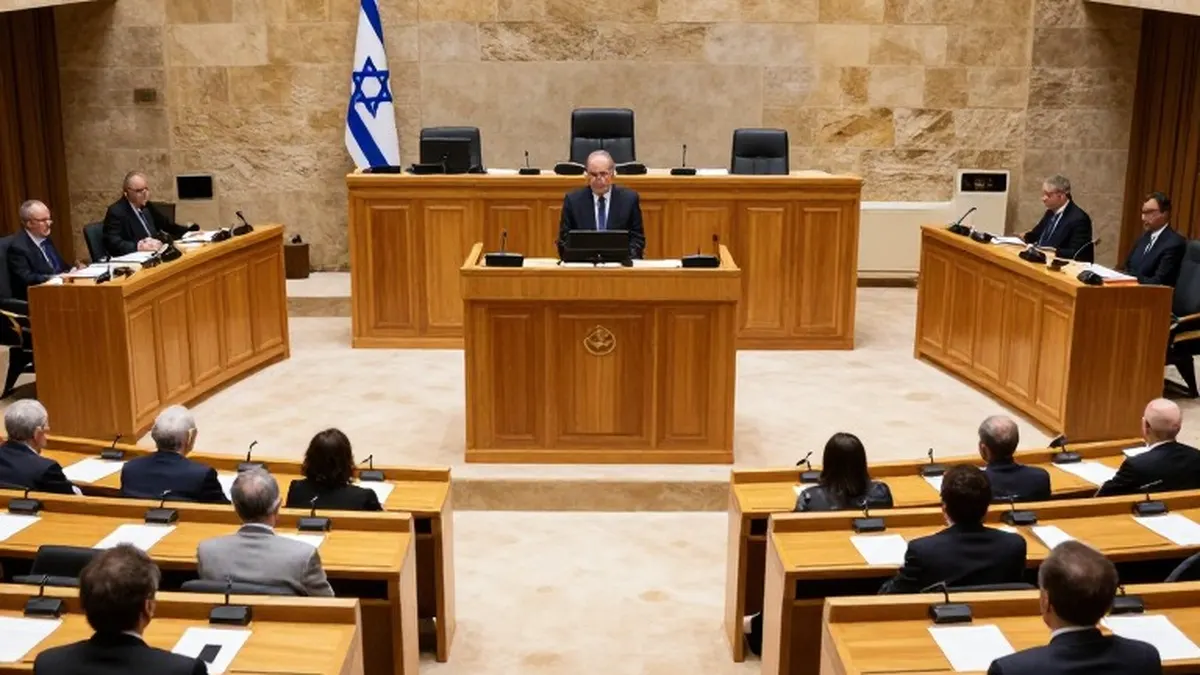
Prime Minister Benjamin Netanyahu's Likud party has officially nominated MK Ofir Katz as its candidate for the position of Knesset speaker. This strategic move is designed to challenge Yashar MK Matan Kahana in a crucial vote scheduled for Tuesday. The Likud leadership aims to assemble sufficient support from haredi parties to block the candidate favored by the political bloc led by Gadi Eisenkot.
The Shas party confirmed its alignment with the Likud on Tuesday, announcing that it would vote for Katz and oppose Kahana. Additionally, Likud officials indicated that United Torah Judaism is expected to join in supporting the Likud nominee. A formal statement from Shas clarified that the faction would back the candidacy of the Likud representative for the speaker's role while actively opposing the Yashar candidate.
This political maneuvering takes place on the eve of a plenary session where the Knesset will elect a new speaker. As the 26th Knesset was recently inaugurated, various political blocs are racing to secure control over the parliament's leadership to shape the legislative agenda ahead.
Tensions between the factions escalated earlier in the week when Finance Minister Bezalel Smotrich sent a letter to Kahana. In this correspondence, Smotrich proposed that his party would support Kahana's candidacy under specific conditions. These conditions included Kahana agreeing not to appoint deputy speakers from the Arab parties, namely Ra’am and the Joint List. Furthermore, Smotrich sought a commitment that Kahana's tenure would be conditional on the formation of a government, requiring him to resign if the incoming administration requested it.
Kahana responded by rejecting the offer in a letter addressed to the leader of the Right Zionist Party. He sharply criticized Smotrich for what he described as an attempt to disregard the Arab population and their representation in the Knesset through their respective parties. Kahana wrote that he rejected the 'anti-statesmanlike demand' and called for respect of the democratic process and its outcomes.
Meanwhile, the bloc led by Eisenkot is reportedly taking measures to prevent a potential filibuster that could delay the speaker's election. According to reports from N12, the bloc fears that a government minister might deliver a speech lasting several hours and refuse to leave the podium. Such a tactic could push the vote late into the night and create significant delays in the parliamentary schedule.
There are growing concerns that a prolonged speech could lead to a physical confrontation. If a minister refuses to yield the floor, they might need to be removed from the podium, which could trigger disorder in the Knesset plenum. The Eisenkot-led bloc is working to mitigate these risks to ensure the vote proceeds smoothly.
The debate over the rules of procedure has become a central point of contention. Under current Knesset regulations, government ministers are generally allowed to speak without time limits during certain debates, though specific exceptions exist. However, the Eisenkot bloc argues that the election of the speaker is an internal parliamentary matter rather than a regular legislative debate. Consequently, the bloc maintains that there is no justification for allowing a government representative to speak indefinitely in this specific context.