India named a destination of the year for 2027, and insiders say the real journey lies beyond the tropes
Travel + Leisure's recognition of India comes amid a domestic tourism boom, but women who have travelled the country deeply say its most rewarding experiences sit far from the conventional itinerary.
By Andres Henderson ·
India has been named a destination of the year for 2027 by Travel + Leisure, a recognition announced last week that is expected to add to the country's growing appeal as a travel hotspot. The designation fits a long tradition of India occupying a singular space in the global imagination. In the 13th century, the Persian scholar Zakariyya al-Qazwini catalogued the country in his work The Wonders of Creation and Rarities of Existence as a land of "rarities par excellence", despite never travelling there himself.
The award lands during a travel boom led by domestic tourists. India recorded almost 2.95 billion domestic tourist visits in 2024, a jump of 17.5% from the previous year, according to recent government data. The country now ranks 31st in the World Economic Forum's Travel and Tourism Development Index 2026, up eight spots since 2024. Women accounted for 43% of foreign arrivals, an interesting counterpoint to India's reputation as a challenging destination for female travellers.
For travel writer Shivya Nath, author of the book Rootless and Restless, one of her most memorable journeys was a trek through the Tirthan Valley in Himachal Pradesh with a crew of local women. Trekking has long been a male-dominated industry, and the organisation she travelled with trains women to become guides, helping them overcome social and family restrictions. "For some of the women, spending even two nights away from home required negotiating with their families," she said.
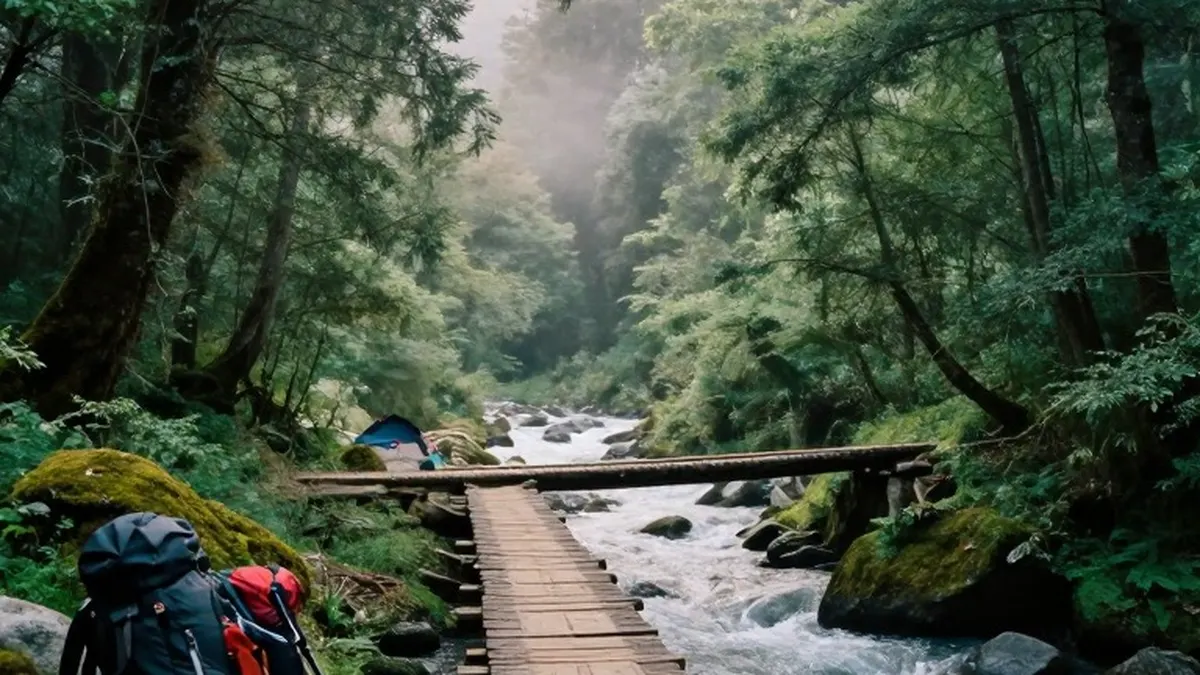
The route wound through dense forests in the Great Himalayan national park, across ancient bridges and over gushing, undammed rivers, accompanied by a soundtrack of birdsong. "The only sounds you hear are of nature," Nath recalled. The group stopped along the way to forage lingri, a seasonal wild fern used in regional cooking, which they later prepared at a riverside camp set up for the night. The following morning they hiked to a waterfall and stood together on a large rock in the middle of the cascading water. Being with "just a group of women who love being in the outdoors, was a really powerful feeling for me", she said.
Afsha Sethi, a corporate leadership professional from Bengaluru who has travelled extensively in India, points to an unlikely cherished experience. As part of a high school extracurricular project, students were paired with a local community through an NGO, and she spent a week shadowing a family growing rice and areca nut in Karkolli, in northern Karnataka. Daily walks through lush forests with waterfalls came with hazards. "We would come back with leeches on our legs, and then put salt to get rid of them," she recalled.
The trip also exposed her to unfamiliar social conventions. When her roommate told the host family about getting her period, their sleeping arrangements were shifted to the courtyard. "It turned out to be a great experience, because the weather was very nice and [we were] looking at the stars and just chatting late into the night," Sethi said.
The tourism surge has raised questions about what happens to the places being discovered. "Social media has definitely accelerated the over-tourism problem," Nath said. "I think one of the most basic things travellers can do is to avoid geotagging locations." She suggests choosing community-owned tourism initiatives that allow local people to benefit directly from visitors.
Nayanika Gaffino, a mother and recreational athlete who lives in Goa, has seen the effect first-hand. "The moment somebody puts up something on Instagram, everyone throngs to it .. even though it doesn't have the capacity to handle so many people," she said, adding that there are beaches her family now avoids. Travelling with girls also means weighing hygiene, access to clean public toilets and safety, so she gravitates towards boutique properties accustomed to hosting families with children.
Nath acknowledges that solo travel in India can require extra vigilance. On such trips she prefers family-run homestays or guesthouses, where someone is aware she is on her own and can watch out for her. At the same time, she says, India can be intensely hospitable, with strangers generously inviting travellers for tea or a meal. Discovering a place, she argues, should also mean finding ways to preserve the very qualities that drew you there in the first place, and approaching the country with curiosity about both its possibilities and its limitations.