Mada Masr editor faces prison as Egypt tightens pressure on independent media
Lina Attalah returns to court this week facing charges that threaten her freedom and the future of one of Egypt’s few remaining independent newsrooms.
By Idris Ricci ·
Lina Attalah, co-founder and editor in chief of Egypt’s independent news outlet Mada Masr, faces a possible year in prison as she returns to court this week. Charges of publishing false news and operating an unlicensed website also carry a fine equivalent to about £28,000, threatening both her freedom and the newsroom’s future.
Her case comes amid renewed pressure on independent media over the past six weeks. Authorities arrested all six journalists at the factchecking website Matsadaash, accusing them of spreading false news. They have since disappeared from public view. Amnesty International reported that they were subjected to torture and other mistreatment intended to compel them to record incriminating statements on video.
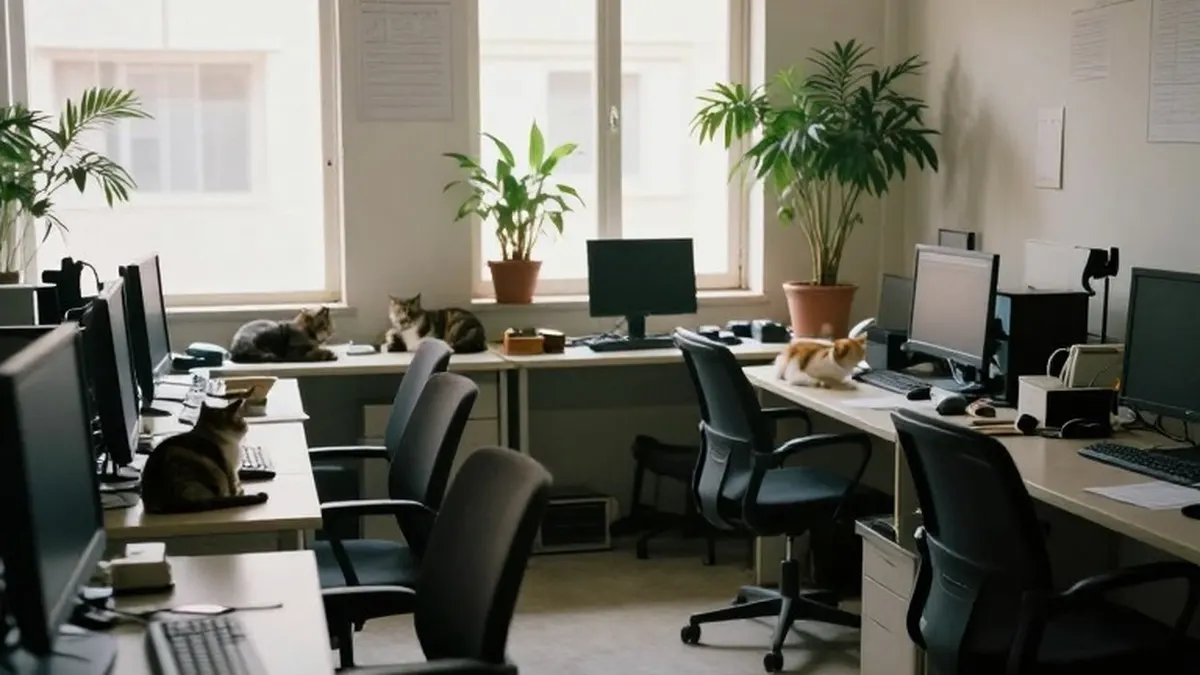
Egypt ranks 169th among 180 countries on the global press freedom scale published by Reporters Sans Frontières, while 25 journalists are imprisoned, according to the New York-based journalists’ protection group cited in the source. Against that backdrop, Attalah is trying to preserve familiar routines, listening to birds at dawn and accompanying reporters to the outlet’s shuttered Cairo offices to tend plants and feed four cats. “I’m hopeful but I’m scared,” she says.
Mada Masr began publishing in June 2013, shortly before the military coup through which Abdel Fatah al-Sisi seized power. As opportunities for independent reporting diminished, the outlet continued operating despite repeated obstacles. In 2017, it was blocked alongside 20 other websites accused of supporting terrorism and spreading lies. A licensing law followed in 2018, but its application remained unresolved. Attalah says police raids and interrogations subsequently became recurring experiences.
The newsroom nevertheless continued investigations, including reporting on Egyptian intelligence services profiting from Israeli gas sales, while also publishing journalism from Sudan and Gaza. In late October, a court ordered its closure and the seizure of its equipment, imposing a fine equivalent to nearly £42,400. Attalah was handcuffed and placed in a cell beneath the court, where she feared she would be imprisoned.
Supporters raised the money to pay the initial fine and secure her release from the court cells. They later learned that she faced further charges, including allegedly spreading false news. Thameen Al-Kheetan, a spokesperson for the United Nations human rights agency, warned that Egyptian authorities were broadening their attacks on press freedom.
International observers have also accused the United States and others of complacency, following a recent US disbursement of $320m in military aid to Egypt. Timothy Kaldas of the Washington-based Tahrir Institute for Middle East Policy described the closure order and efforts to imprison Attalah as an attempt to eliminate the country’s remaining independent journalism.
Mada Masr’s regular publication schedule is suspended, but its 45 employees in Egypt and colleagues working from exile in Greece and Lebanon continue morning editorial meetings online. Readers still request investigations, and aspiring journalists continue seeking training. Attalah maintains that the central Cairo offices have not closed permanently.
Despite the threats, Attalah says she has never considered working from exile. She believes remaining in Egypt is central to reporting on the country and hopes the newsroom can retain its independence. “I want to stay. Maybe we will fight. But I want to stay and work,” she says.