US chip rules tighten scrutiny of overseas computing used by China
New licensing requirements targeting five countries could limit Chinese access to advanced AI computing and complicate South East Asia's data centre expansion.
By Andres Henderson ·
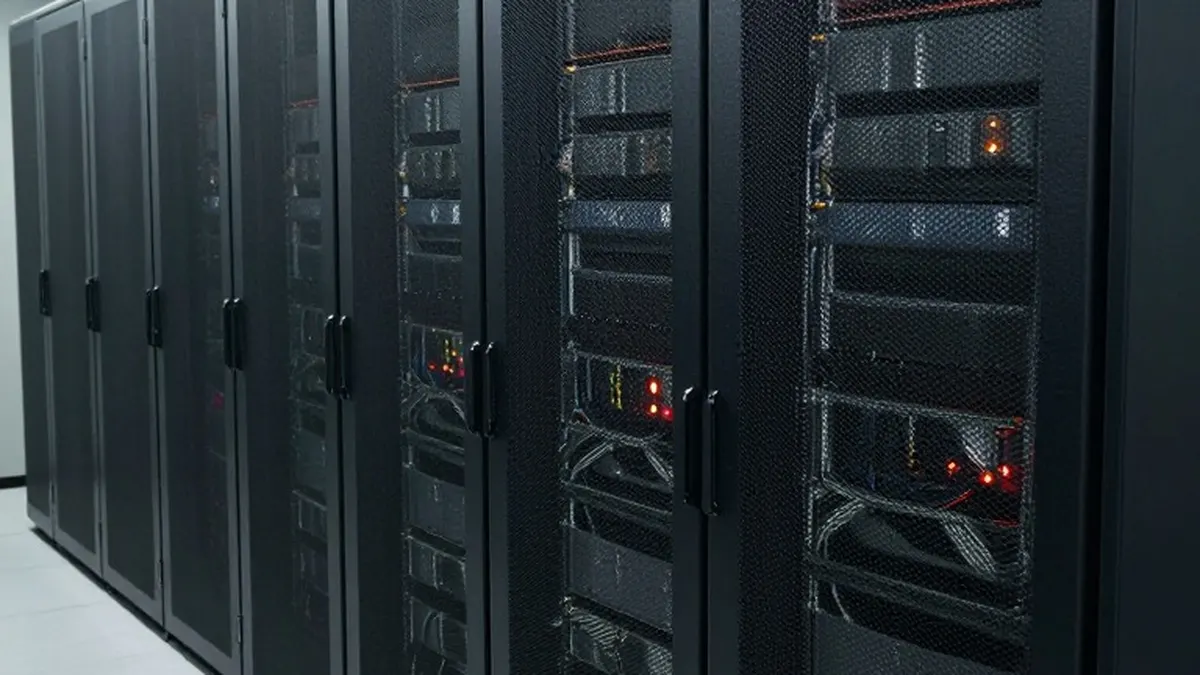
Washington has announced tighter controls on advanced semiconductor sales and access to their computing power as US President Donald Trump prepares to visit China. Interim rules unveiled on Monday increase scrutiny of data centre operators in Singapore, Malaysia, Thailand, Indonesia and Brazil, targeting overseas facilities that Chinese companies use to train artificial intelligence models.
Operators covered by the measures will need US government licences to purchase advanced chips from Nvidia and other American manufacturers. The requirements give Washington greater oversight of whether the equipment is serving Chinese customers or being diverted to China. The Commerce Department's Bureau of Industry and Security said the countries present an elevated risk of diversion and that licence applications would be assessed individually.
The restrictions address a route Chinese businesses have used to obtain computing capacity despite US export controls. Research from the US-based Institute for Progress projects that overseas rentals and smuggling will account for at least 30% of China's advanced AI computing power in 2027. China's foreign ministry criticised the measures as economic pressure and said Beijing would act to protect its rights and interests.
South East Asia has attracted substantial data centre investment, with Chinese demand becoming an important part of the market. Singapore's limits on new construction helped direct investment towards Malaysia and Thailand, while Johor in Malaysia and Batam in Indonesia approved billions of dollars in projects. Governments have offered incentives, including cheaper land, to draw investors such as Chinese technology companies Alibaba and Tencent.
The sector has also faced allegations of helping Chinese buyers bypass US restrictions. Singapore's Megaspeed, the largest purchaser of Nvidia chips in South East Asia, is accused of illegally sending chips to Chinese companies after buying them for data centres in Malaysia, Indonesia and Thailand. The company denies wrongdoing and says it has hired outside lawyers to investigate internally.
Naoise McDonagh, an international trade expert at Australia's Edith Cowan University, said Malaysia and Thailand could be particularly exposed because Chinese buyers have played a major role in their data centre growth. However, Verisk Maplecroft's Reema Bhattacharya said the rules were unlikely to halt the wider expansion. Projects supported by major technology companies and customers whose identities are clear should prove more resilient, she said.
Singapore said it was discussing the requirements with US authorities and examining ways to help local businesses secure trusted access. Malaysia has previously said it welcomes investment in data centres but will not permit its territory to be used to bypass export controls. The measures arrive before Trump's planned meeting with Chinese leader Xi Jinping in Shenzhen this week.
China has prioritised technological self-sufficiency, and developers including DeepSeek and MoonShot have narrowed the gap with American competitors. The Institute for Progress estimates that leading US AI models are only about six and a half months ahead of China's best platforms. Experts told the BBC that advanced American chips remain important to Chinese competitiveness. Yet tighter controls could also accelerate domestic semiconductor development, reinforcing Washington's dilemma over whether restrictions will weaken China's capabilities or encourage further innovation.