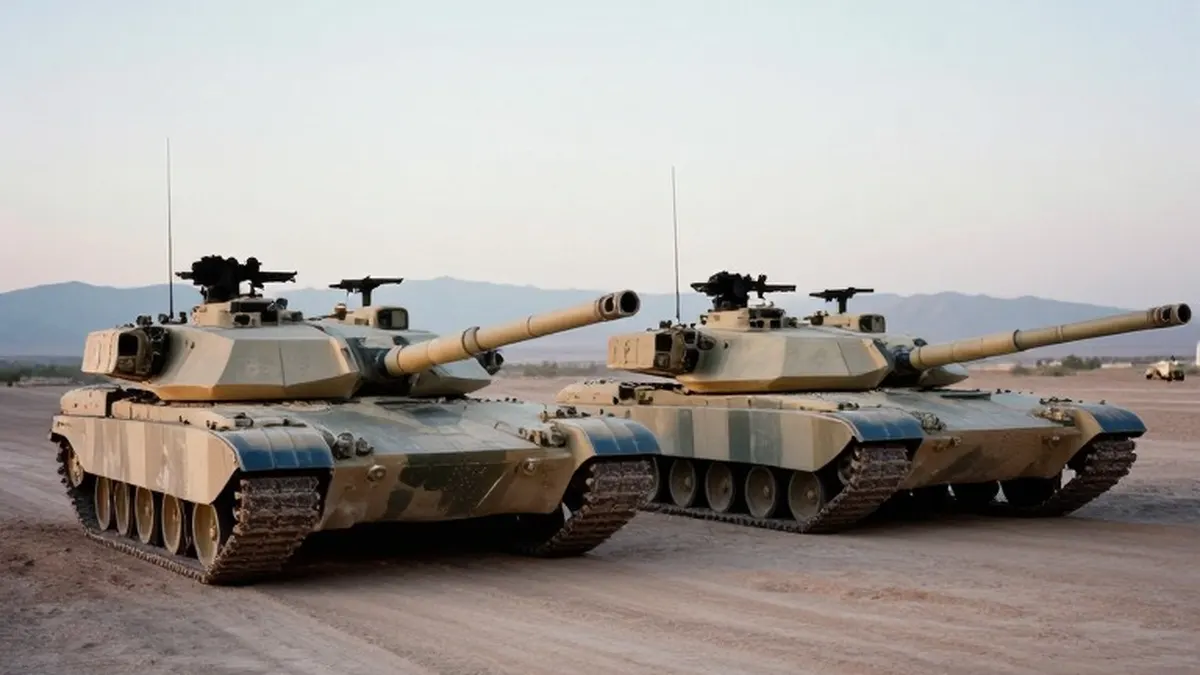
Ethiopian troops advance toward Eritrean border as regional tensions rise
New skirmishes near Badme have raised fears of a broader conflict, while diplomatic ties between Ethiopia and Sudan continue to deteriorate amid ongoing internal crises in both nations.
By Idris Ricci ·
Fresh fighting along the disputed border between Ethiopia and Eritrea has emerged after several weeks of relative calm, prompting concerns that the two neighbors may be sliding into a full-scale war. The escalation occurs at a time when diplomatic relations between Ethiopia and its northwestern neighbor, Sudan, have also reached new lows.
The current offensive was launched on September 23 by fighters allied with the Tigray People's Liberation Front, part of a larger rebel coalition aiming to overthrow the Ethiopian government. Since then, the Ethiopian National Defense Forces, supported by pro-government militias, have steadily pushed these forces out of the Tigray region. According to the conflict monitoring organization ACLED, the advancing troops have effectively driven the Tigrayan Defense Forces toward the Eritrean border. Skirmishes have been reported in multiple locations, with heavy artillery fire directed at dwellings near the Eritrean border town of Badme.
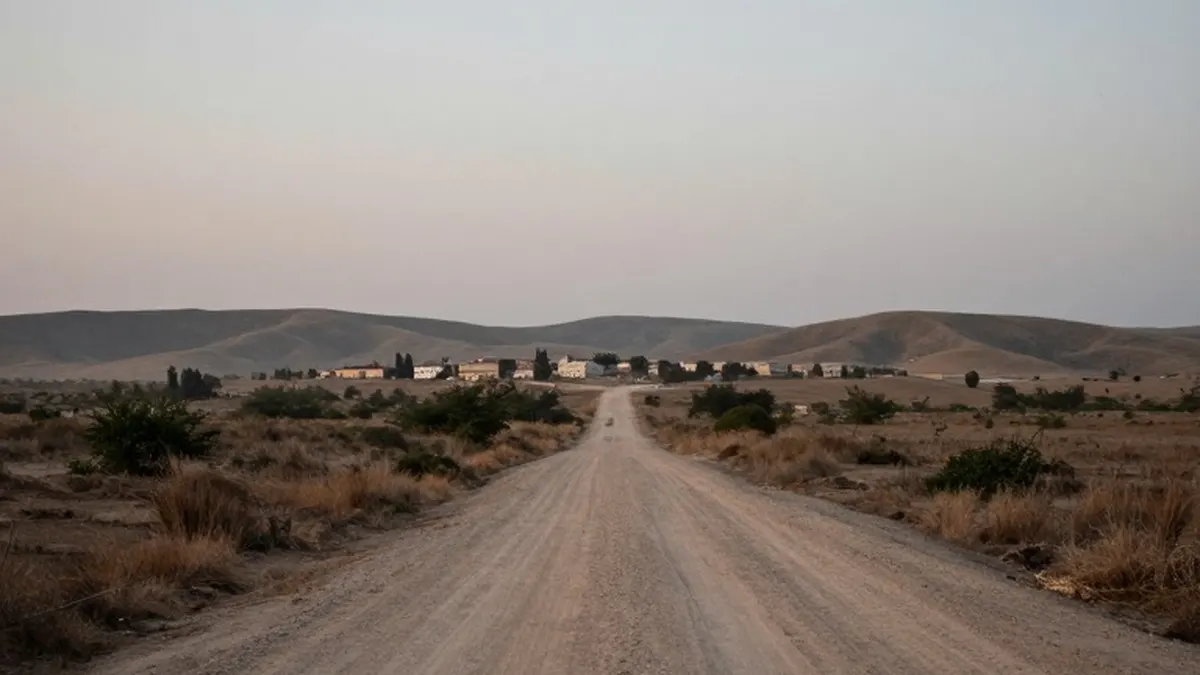
Although satellite imagery suggests Badme is a small rural settlement, it holds significant historical importance for both countries. It was the primary battleground during the 1998 to 2000 Eritrean-Ethiopian War, often referred to as the Badme War. The conflict ended with the Algiers Agreement, which established a boundary commission that awarded the town to Eritrea. A decision that Ethiopia has occasionally challenged. Abdurahman Sayed, director of the London-based Horn of Africa Center for Regional Integration, suggested that Ethiopia might view reclaiming Badme as a strategic advantage in resolving its internal struggles.
Sayed noted that if Eritrean forces withdrew and Ethiopian troops returned, it could serve to calm Tigrayans, particularly those currently supporting the party in power. He indicated that figures like Getachew Reda, a former Tigray People's Liberation Front spokesman and current advisor to Prime Minister Abiy Ahmed, might leverage territorial gains to win over the Tigrayan population for the federal government.
The proximity of military forces to the border highlights the fragility of the peace. Sayed stated that the arrival of troops clearly indicates the conflict could be triggered at any moment. Eritrean and Ethiopian forces had previously allied against Tigrayan troops during the 2020 to 2022 conflict. However, Eritrea's allegiances have since shifted toward the Tigray People's Liberation Front and away from the central government in Addis Ababa. In October, the two nations cut diplomatic ties, and at one point, Eritrean troops reportedly crossed into Tigray.
Magnus Taylor, a regional analyst with the International Crisis Group, believes the Ethiopian military's immediate goal is to secure the northern border and disrupt supply lines between Eritrea and Tigrayan forces. He described the current situation as an attempt by the Ethiopian military to consolidate its control over Tigray, which includes pushing toward the Eritrean border. Taylor warned that securing control could lead to direct conflict with Eritrea. If that happens, Ethiopia might attempt to achieve all its objectives in Eritrea simultaneously.
Ethiopia has been the world's largest landlocked country by population since Eritrea's secession in 1993. Prime Minister Abiy Ahmed has repeatedly described the lack of sea access as an existential threat. While he has stated a preference for peaceful solutions, observers note this could also involve capturing Eritrea's easternmost port, Assab, by force.
Simultaneously, relations between Ethiopia and Sudan have worsened. Both Sudan and Egypt, which are downstream on the Nile, have long been concerned about Ethiopia's Grand Renaissance Dam. Located on the Blue Nile near the Sudanese border, the dam gives Ethiopia significant leverage over water flow regulation. The Ethiopian government has rejected claims that the dam is being used to pressure its neighbors. Sudan has been engaged in a civil war since 2023 between the Sudanese Armed Forces and the Rapid Support Forces.
In mid-November, both Sudanese military factions accused the other of direct involvement in their respective internal conflicts. Taylor assessed that the most likely scenario is a continuation of proxy-style involvement with each other's opposition groups rather than formal direct military engagement. Sayed agreed that there is currently no need for direct confrontation, noting that the Rapid Support Forces can fulfill the objectives of their backers. However, he added that if the Rapid Support Forces fail and the need arises, the Ethiopian army could be pushed to become directly involved.