Israel’s Eurovision selection show returns with new judge and revised scoring
The 13th season of The Next Star for Eurovision opened on Sunday with a tribute to Noam Bettan, a change to the judging panel and a new points system.
By Idris Ricci ·
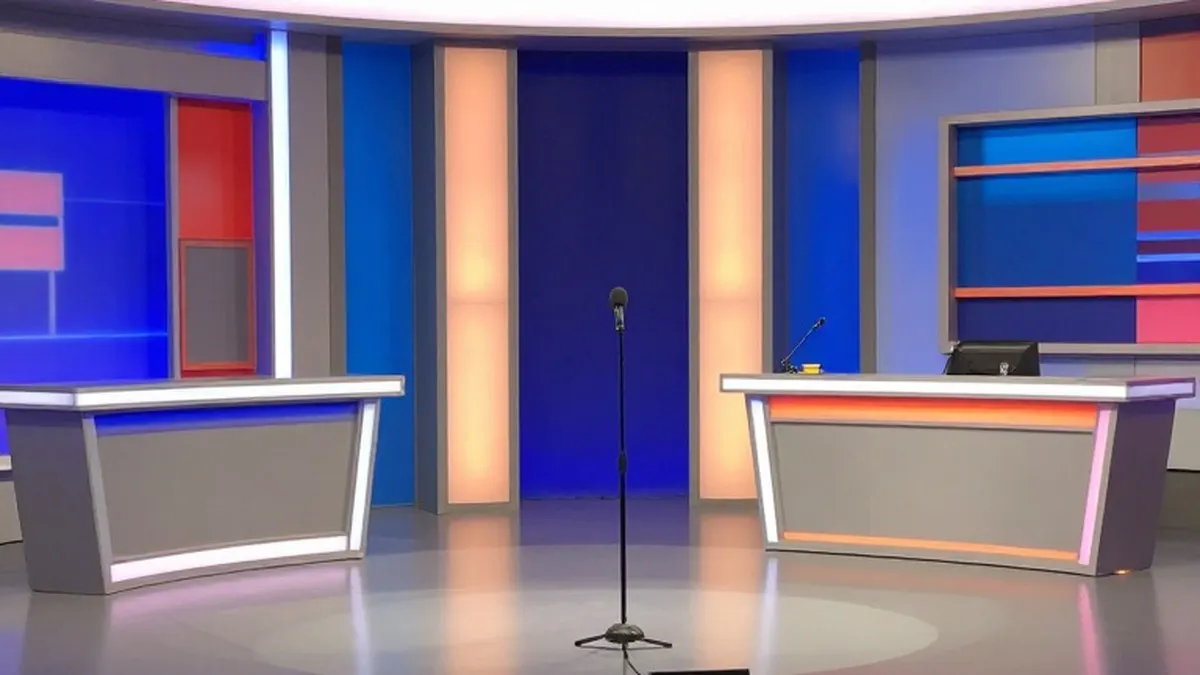
The Next Star for Eurovision began its 13th season on Sunday night, opening the television competition that will select Israel’s next Eurovision Song Contest representative. The premiere brought a new member to the judging panel and changes to how performances are scored, as contestants began their bid to represent the country in 2027.
The season follows four consecutive top-five Eurovision finishes for Israel, including second-place results in each of the past two contests. Noam Bettan was runner-up in 2026, following Yuval Raphael’s second-place finish in 2025. That record has helped sustain Israeli hopes that the next representative can extend the sequence of strong results and potentially win the competition in 2027.
The opening episode looked back at Bettan’s experience, with a tribute following his progress toward his Eurovision performance of “Michelle” last spring. Bettan also returned to the stage to sing part of the song, receiving loud applause. Contestants hoping to follow him to Eurovision joined him onstage during the premiere, connecting the previous representative’s appearance with the start of the new selection contest.
Singer Osher Cohen took his place on the judging panel alongside Assaf Amdursky, Keren Peles, Shiri Maimon and Itay Levi. Cohen replaces Eden Hason. Many social media users said they would miss Hason, although Cohen appeared to settle into his new role quickly during the first episode of the season.
The scoring rules have also been revised, while the qualifying threshold remains unchanged. Contestants still need to reach 70 percent to advance. Judges now award points using values of 12, 10, eight, six and four, replacing the previous blue and red voting mechanism. The change is intended to increase the drama surrounding the judges’ decisions.
The show’s return comes amid continuing controversy over Israel’s participation in Eurovision. Spain, Slovenia, the Netherlands, Ireland and Iceland boycotted last year’s competition. Three of those countries, Ireland, Iceland and the Netherlands, have confirmed that they will stay out again.
Despite that dispute, enthusiasm for Eurovision remains strong among Israelis, many of whom had been eagerly awaiting the selection show’s return. The new season now carries their hopes of another successful Eurovision appearance after four years of finishes near the top of the standings.