FAA Predicts Normalcy by Sunday
A four-hour nationwide ground stop triggered by a wiring upgrade has led to over 6,000 cancellations, though officials expect systems to stabilize before the Thanksgiving rush.
By Idris Ricci ·
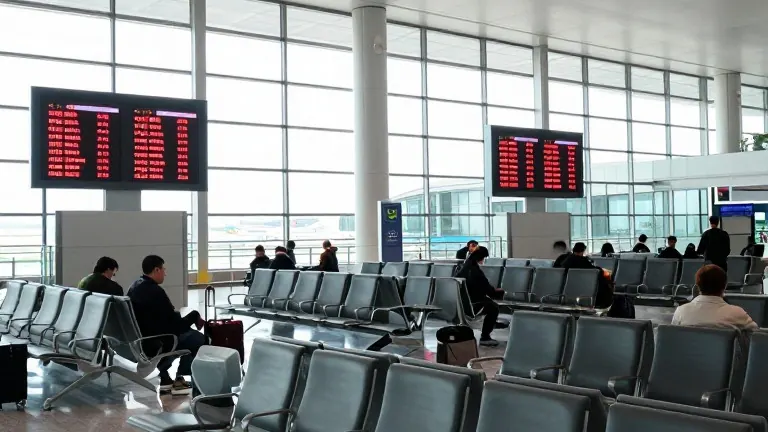
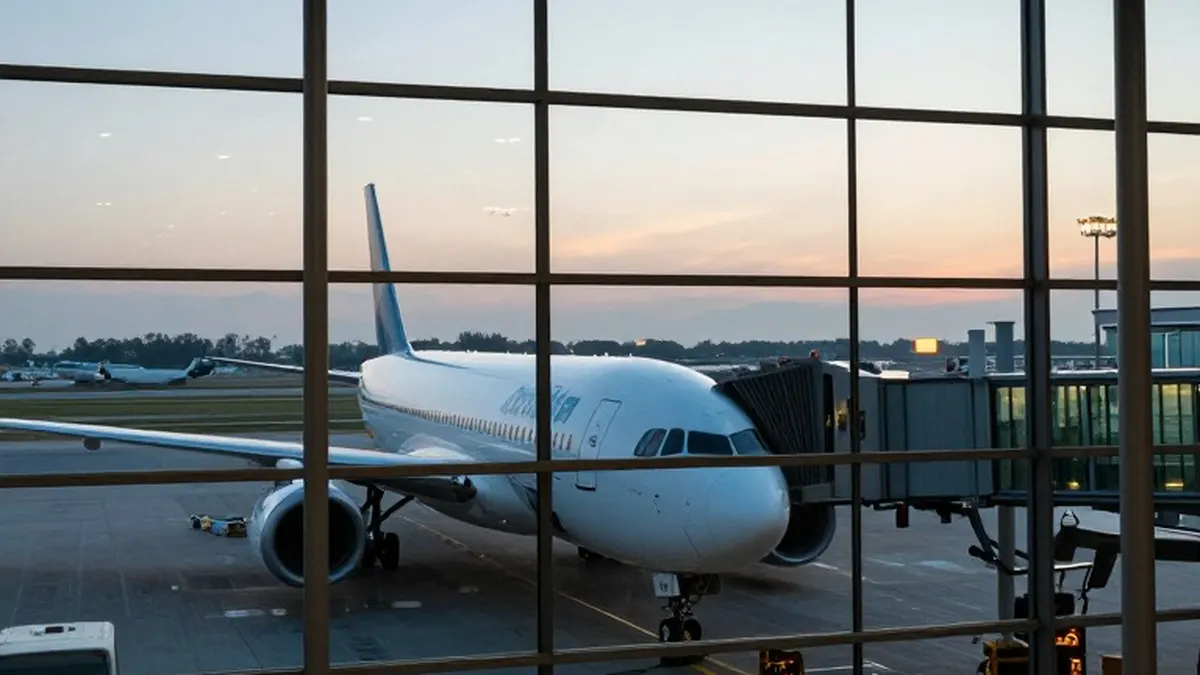
The Federal Aviation Administration expects U.S. air travel to return to normal by the end of Sunday, two days after a nationwide ground stop that grounded more than 3,000 aircraft. FAA Administrator Bryan Bedford stated that the worst of the disruption is behind the agency, though airlines are still working to recover from the backlog of flights.
The disruption began when a contractor replaced a section of the air traffic control system's old copper wire with fiber optic line. Transportation Secretary Sean Duffy said the switch caused the system to overload, creating intermittent communications and radar gaps. The government shut down air traffic for more than four hours, which officials described as the longest nationwide ground stop in 25 years.
Duffy attributed the failure to either contractor incompetence or a faulty router, noting that the agency had not consulted its own technicians for a risk assessment before the work began. The Professional Aviation Safety Specialists union confirmed that the FAA skipped its usual pre-upgrade safety checks. L3Harris Technologies, the contractor involved, stated it is supporting the FAA's investigation into what went wrong.
The immediate impact was widespread. FlightAware data showed more than 6,000 flights canceled within, into, or out of the United States on Saturday. Aviation consultant Andrew Charlton estimated that the stoppage affected about a quarter of the 45,000 daily U.S. flights. He explained that the knock-on effect is severe because aircraft do not simply fly from point A to point B and return; they move through a continuous schedule, exacerbating delays for long-haul and international routes.
New York officials reported that JFK, LaGuardia, and Stewart airports logged more than 800 cancellations and 600 delays by Friday evening. Governor Kathy Hochul called for the removal of Transportation Secretary Sean Duffy and urged Congress to launch a full investigation. Port Authority Executive Director Kathryn Garcia said the agency activated its Emergency Operations Center and deployed additional police and staff to manage terminal crowding.
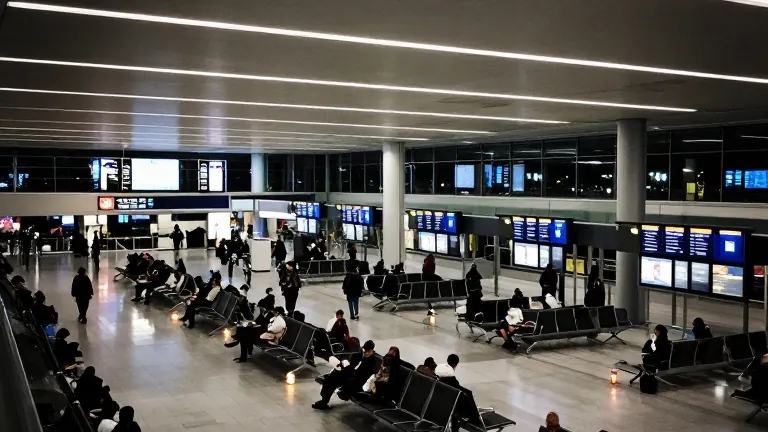
Passengers at airports across the country adapted to the chaos in various ways. In Seattle, a passenger played classical music for stranded travelers. In Lexington, Kentucky, strangers competed in a cornhole tournament. At Newark, a traveler named Umi Egchi, who was waiting to return to Japan, said he was unsure of the cause but only wanted to go home. Dan Russell, 66, waited at the San Diego airport after his connecting flight from Hawaii was canceled and hotels were full.
Duffy said the administration wants $30 billion in additional funding to complete the modernization of aging air traffic control infrastructure. He noted that 70% of the system has already been replaced with $12.5 billion in current funding, but new towers and runways are still needed. Steve Arroyo, an aviation safety expert and former United Airlines pilot, said the scale of Friday's disruption forced controllers to keep planes on the ground because they could not reliably talk to pilots.